Window condensation: check which surface is wet before buying a dehumidifier
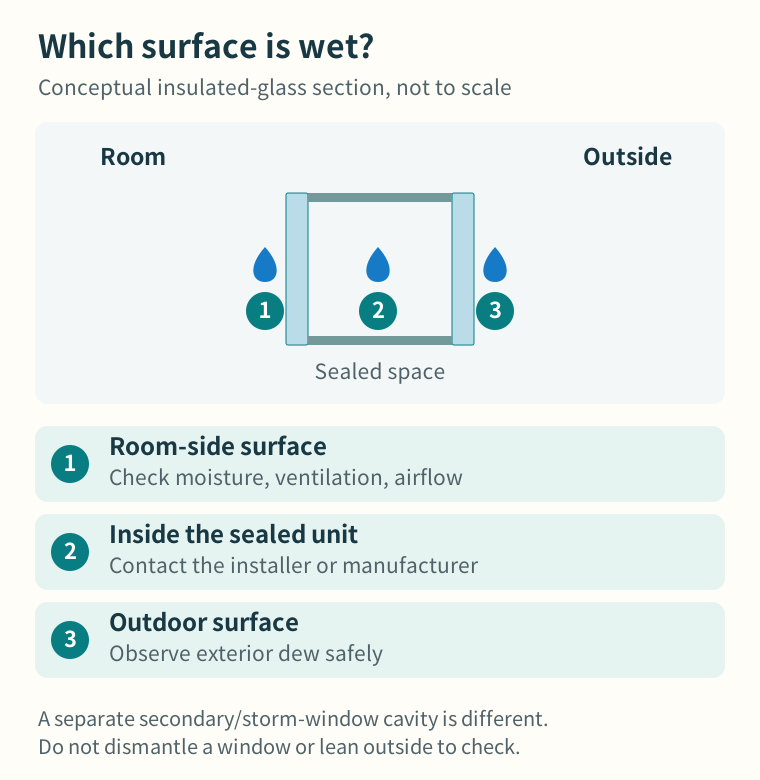
First separate moisture on the room-side surface, the outdoor surface, and inside a sealed insulated-glass unit. They can look similar from across the room, but they lead to different next steps. Wipe accessible indoor droplets with a soft cloth and dry the sill while you investigate.
- Room-side moisture: check indoor moisture sources, ventilation, and airflow near the glass.
- Outdoor surface moisture: consider weather-related dew.
- Moisture trapped inside a sealed glass unit: contact the installer or manufacturer.
The improvement is a more useful morning routine. Instead of repeatedly wiping the same window and guessing what to buy, you can choose a reasonable next check or bring clear evidence to a service call. Wiping, monitoring, and maintaining ventilation still remain.
Find the surface without taking the window apart
If a mark clears when you wipe the accessible indoor surface, you have identified that moisture. If it does not clear, it could be outside or between panes. Do not lean out of a window, climb to reach exterior glass, or dismantle the unit just to decide.
Pella's window FAQ explains that moisture within the sealed space of an insulated-glass unit can result from a failed seal. Ask which component needs attention and whether a warranty applies. The answer may involve the glass unit rather than automatically replacing every part of the window.
A separate storm window or an opening secondary panel creates a different cavity from a factory-sealed glass unit. Tell the service provider what type you have. “Between two pieces of glass” is not a complete diagnosis.
Expand the diagram
Scroll within the diagram horizontally; arrow keys work when focused.
Figure: Identify where the moisture is before choosing a response. This is not an installation drawing or a diagnosis.
Interior condensation depends on the glass surface too
ENERGY STAR explains that indoor condensation forms when a window's surface is below the dew point of the humid indoor air. That is the temperature at which moisture starts condensing under those conditions.
The room's thermostat temperature is only part of the story. Outdoor cold, the window's thermal performance, and air circulation near the glass affect its surface temperature. A hygrometer across the room is useful background information, but it is not measuring the window surface or diagnosing the wall.
Avoid treating a single humidity setting as a guarantee. A number that coincides with dry glass during mild weather may not do so on a much colder night. If you have a whole-house humidifier, review its outdoor-temperature guidance and the home's equipment instructions rather than continuing the same setting throughout winter.
Check one moisture source before adding equipment
Start with ordinary activities around the time the window becomes wet: showers, cooking, laundry, or humidifier use. Choose one practical change you can maintain.
- Use the kitchen and bathroom's intended exhaust systems as their instructions require.
- Check whether your humidifier setting can be reduced appropriately.
- Notice whether indoor laundry drying concentrates moisture in the affected room.
- Open curtains or blinds when practical so air can move near the glass, without compromising heater clearances.
ENERGY STAR's guidance includes outdoor-vented kitchen and bath fans and dryers, plus window coverings that allow airflow. A recirculating kitchen hood is not the same as exhausting moisture outside. If you do not know where a system vents, ask the property manager or an HVAC professional; do not improvise a duct connection.
Opening a window is conditional on outdoor temperature, humidity, air quality, security, and safe access. Hot, humid outside air will not always help dry a room. Do not make the house uncomfortably cold, disable required ventilation, or place a portable heater beside a wet window or curtain. Changing fuel-burning equipment or its ventilation requires appropriate professional advice.
Keep a short record for the same window
This is a proposed observation exercise, not a house test we performed. It is also not a reason to wait when water damage or an active leak needs attention.
For a few mornings, note the time, room temperature and relative humidity, which surface is wet, and the extent of the droplets. Add whether you used a humidifier or dried laundry nearby. Photograph the window from the same position, then wipe and dry the accessible indoor surfaces.
Change one manageable factor at a time. A drier window after lowering a humidifier setting is useful information, but warmer outdoor weather could also explain the difference. Record the weather alongside the change. You are building a useful description, not running a controlled experiment or proving the home's insulation quality.
Exterior dew usually calls for a different response
Pella's condensation guide describes exterior dew when the glass is colder than the outside air's dew point, often following a cool night with humid conditions. It can clear as the glass warms.
If you have confirmed that the moisture is only on the outdoor surface and no water is entering the building, lowering indoor humidity may not address that exterior event. Observe it safely. You do not need to reach an upper-story pane to wipe it. Water entering around the frame during rain is a different issue and deserves investigation.
When should you consider a purchase or a service call?
Persistent indoor moisture may justify reviewing dehumidifier capacity and operating-temperature requirements, or asking about ventilation performance. A dehumidifier also adds drainage and cleaning duties. Do not choose one solely because a window looks cloudy.
Window improvements can help keep the indoor surface warmer, but even ENERGY STAR-certified windows can experience condensation in cold conditions. Bring the surface identification and your short record to an installer before deciding what work would help. Renters should contact the property manager before changing windows or ventilation equipment.
Seek help sooner for swelling or damaged frames, water running onto flooring, rain-related wetting, or spreading discoloration. Do not assume every wet area is harmless dew. This article does not diagnose mold or prescribe its removal; it helps you identify the problem well enough to choose the next appropriate step.
Sources checked October 11, 2026. No home inspection, humidity measurement, or condensation-control field test was performed. Confirm the window construction and equipment instructions, and recheck sources before publication.